Rising Road Risks as Arizona Enters Peak Travel Period
Arizona drivers face heightened safety challenges as the state enters its busy late spring and early summer travel season, according to guidance from Burnett Law Office. The legal firm is urging motorists to exercise extra caution as roads become increasingly congested with graduation travel, family vacations, and holiday trips.
The timing of this safety awareness push reflects the reality of Arizona's seasonal traffic patterns. As schools conclude their academic year and families begin planning seasonal getaways, the state's highways see a notable uptick in various vehicle types sharing the roadways.
Key Hazards During Busy Travel Periods
According to reports from Burnett Law Office, several critical factors contribute to increased accident risks during this period. Distracted driving remains a primary concern, with drivers potentially overwhelmed by navigation, passenger management, and unfamiliar routes during vacation travel.
Speeding emerges as another significant risk factor, particularly as drivers attempt to make up time on longer journeys or rush to reach destinations. The law office also highlights driver fatigue as a major concern, especially relevant during extended road trips that families often undertake during this season.
Aggressive driving behaviors tend to escalate when traffic volumes increase, creating a dangerous combination of impatient motorists and crowded roadways. Additionally, the presence of commercial trucks on Arizona highways presents unique challenges for passenger vehicle drivers during peak travel times.
Diverse Vehicle Mix Creates Complex Road Conditions
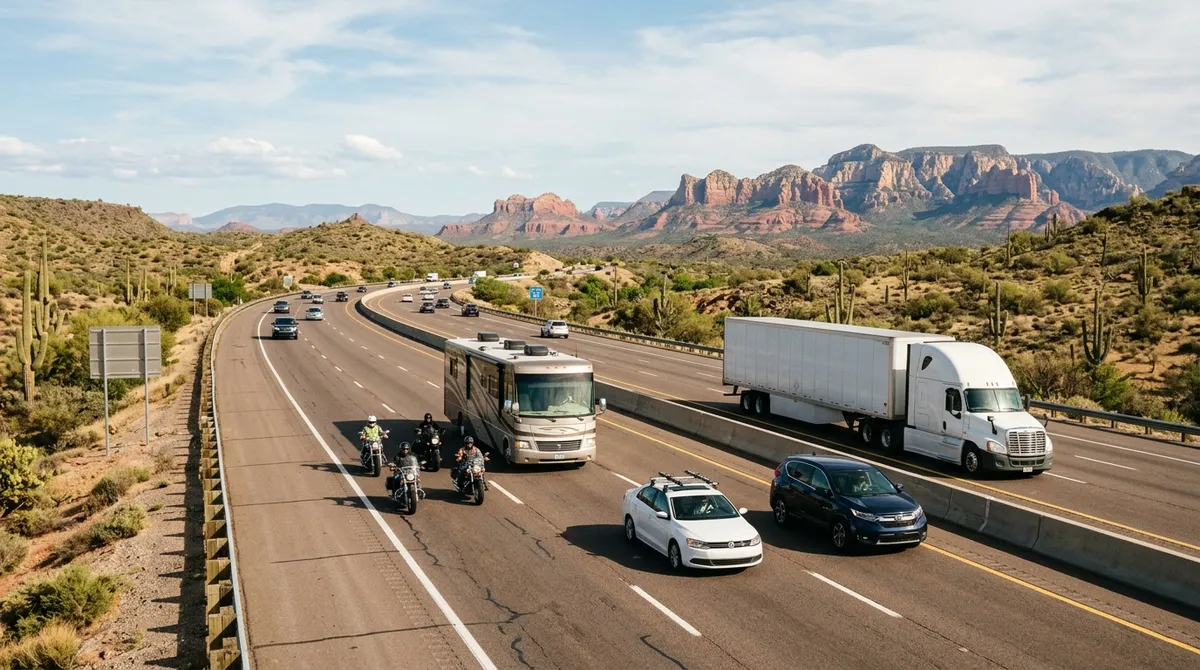
The late spring and early summer period brings a particularly diverse mix of vehicles to Arizona roads. According to reports, highways become shared spaces for passenger cars, recreational vehicles, motorcycles, and commercial trucks – each with different performance characteristics and visibility considerations.
This vehicle diversity means that small driving mistakes can carry significantly bigger consequences than during typical travel periods. RVs and trailers may require longer stopping distances and have different blind spot patterns than regular passenger vehicles, while motorcycles become less visible in heavy traffic conditions.
Strategic Timing for Safety Messaging
The law office's decision to issue safety guidance at this particular time reflects the practical realities of Arizona's travel patterns. As families prepare for summer adventures and graduates celebrate with trips, the proactive approach aims to reach drivers before they encounter peak road conditions.
The messaging comes as Arizona roads transition from regular commuter patterns to accommodate the influx of vacation travelers, creating conditions where even experienced local drivers may encounter unfamiliar traffic scenarios.
Focus Areas for Driver Preparation
Burnett Law Office's safety awareness initiative addresses several key preparation areas for Arizona drivers. Vehicle maintenance considerations become particularly important before undertaking longer-distance travel, when mechanical failures could create both safety risks and significant inconvenience.
The guidance also emphasizes the importance of understanding proper procedures following any traffic incident. With increased traffic volumes, even minor accidents can create more complex situations requiring clear knowledge of appropriate response steps.
Highway sharing protocols receive special attention, particularly regarding safe interaction with commercial trucks that become more prevalent during shipping-intensive travel seasons.
Looking Ahead to Peak Season
As Arizona moves deeper into its busy travel period, the law office's safety emphasis reflects broader concerns about maintaining road safety during high-traffic periods. The graduation season, combined with early vacation travel and holiday trips, creates a sustained period of elevated road usage that extends beyond typical weekend or holiday spikes.
For Arizona drivers, this means maintaining heightened awareness and preparation standards throughout the late spring and early summer months, rather than just during specific travel dates.