Latest Incident Highlights Ongoing Vulnerability
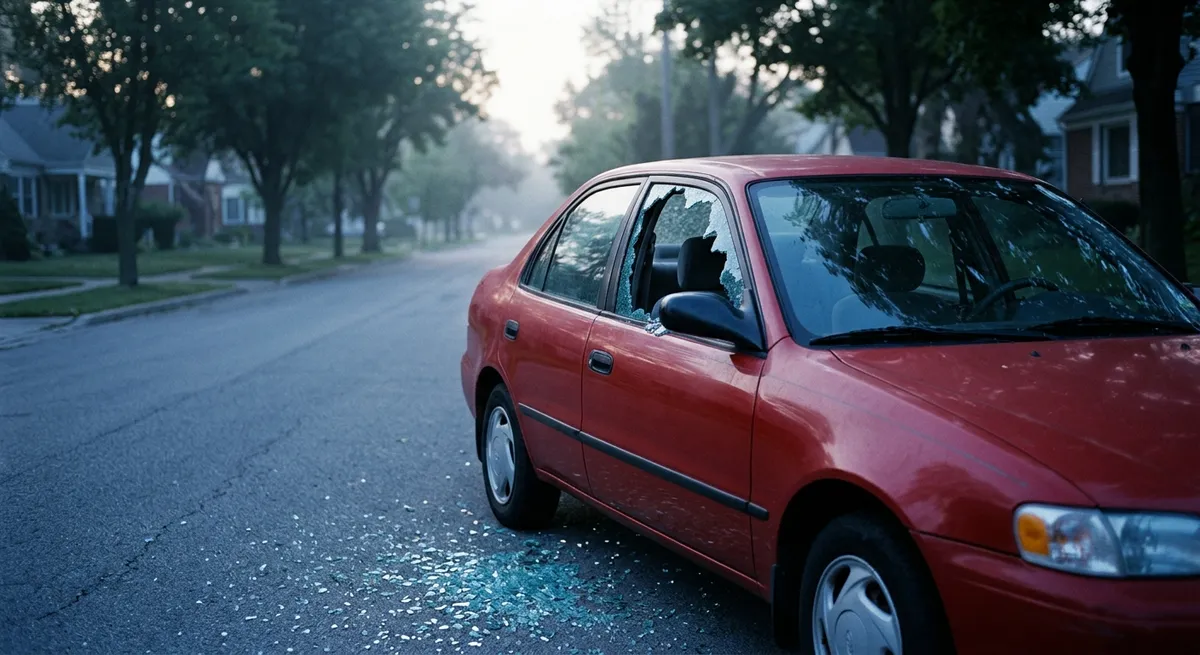
The persistent problem of Kia and Hyundai vehicle thefts has struck again, with recent reports detailing how teens smashed windows of two cars, successfully stealing one while damaging another. According to reports, the perpetrators remain unidentified, highlighting the continued challenges law enforcement faces with these viral theft trends.
This latest incident underscores a troubling reality: many vulnerable, unpatched vehicles remain easy targets for "Kia Boys"-style thefts, leaving owners and communities dealing with the ongoing consequences of viral car-theft methods that have spread across social media platforms.
Why These Vehicles Remain Prime Targets
The continued targeting of Kia and Hyundai vehicles stems from specific vulnerabilities that make certain models particularly susceptible to theft. According to reports, teens are specifically choosing these vehicles because many remain unrepaired or lack adequate anti-theft protection, making them significantly easier to steal compared to other brands.
The viral nature of these theft methods has created a situation where knowledge of how to exploit these vulnerabilities spreads rapidly among teenagers, perpetuating the cycle of thefts across different communities.
Public Safety and Community Impact
These incidents represent more than just property crimes—they've become a significant public safety and consumer protection issue. The ongoing wave of thefts affects not only vehicle owners but also insurers and entire neighborhoods dealing with the consequences of these crimes.
According to reports, the real cost of viral car theft trends extends beyond the immediate victims, creating broader community concerns about safety and security. The fact that many vehicles are still unrepaired or lack added anti-theft protection means communities continue to face these risks on a regular basis.
The Vulnerability Factor
The persistence of these thefts highlights a critical gap in vehicle security. Reports indicate that vulnerable, unpatched vehicles remain the primary targets, suggesting that many owners may be unaware of their vehicle's susceptibility or haven't taken steps to address known security weaknesses.
This ongoing vulnerability creates a situation where certain Kia and Hyundai models continue to be disproportionately targeted, leaving owners of these vehicles particularly at risk compared to other vehicle brands.
Moving Forward: Prevention and Protection
While the specific details of protective measures weren't detailed in reports, the continued incidents emphasize the importance of vehicle owners understanding whether their cars remain vulnerable to these theft methods. The pattern suggests that proactive steps by owners to secure their vehicles could help reduce the likelihood of becoming targets.
The ongoing nature of these thefts indicates that without addressing the underlying vulnerabilities, communities will likely continue experiencing similar incidents. Reports suggest that the combination of unpatched vehicles and the viral spread of theft techniques creates conditions where these crimes can persist.
Industry and Community Response
The continued wave of thefts represents a challenge that extends beyond individual vehicle owners to encompass broader industry and community responses. According to reports, the issue remains timely because many vehicles have not received necessary security updates or protective modifications.
As these viral theft trends continue to affect owners, insurers, and neighborhoods, the incidents serve as a reminder of how social media can amplify criminal techniques, creating widespread security challenges that require coordinated responses from manufacturers, law enforcement, and communities.
The latest incident reinforces that addressing vehicle vulnerabilities remains crucial for protecting both individual owners and community safety as these theft methods continue to spread among teenagers looking for easy targets.