When Fiction Meets Reality: KITT's Real-World Traffic Troubles
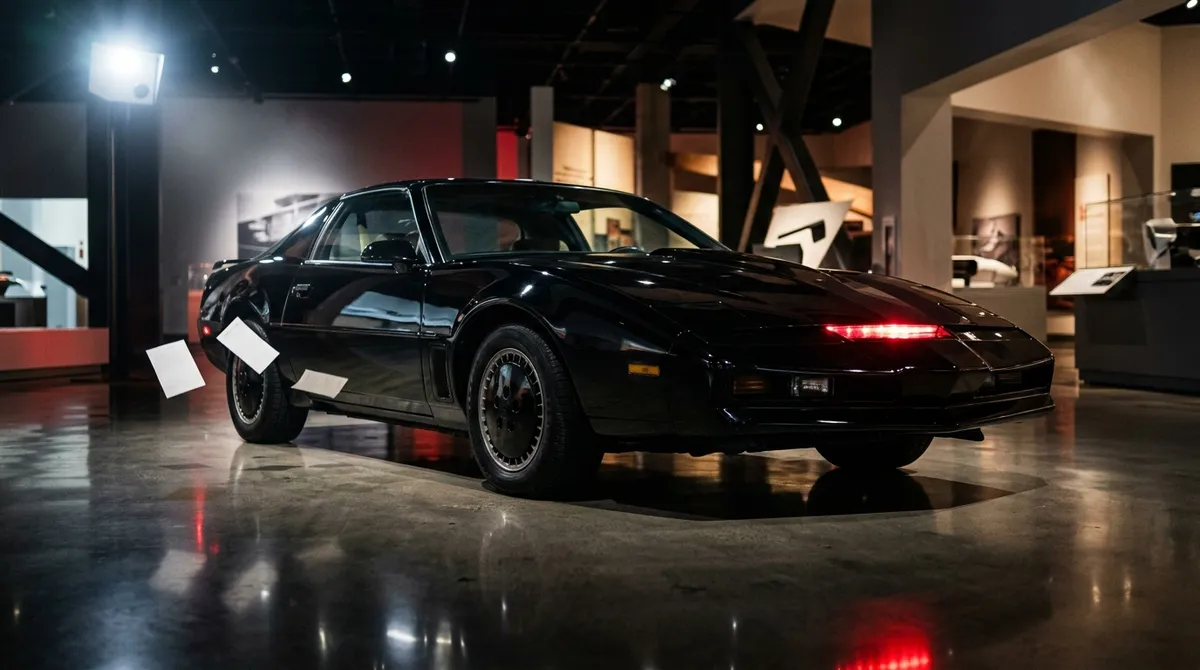
In what may be one of the most bizarre traffic enforcement stories ever, a KITT replica from the iconic 1980s TV series "Knight Rider" has received a $50 speeding ticket from New York City authorities — despite the fact that the car has been sitting motionless in an Illinois museum for years.
The unusual incident occurred at the Volo Museum in Illinois, where the famous Pontiac Trans-Am replica has been on display as part of their collection of television and movie vehicles. According to reports, the automated traffic enforcement system somehow flagged the stationary museum piece for speeding in a New York City school zone.
The License Plate Mix-Up
The confusion appears to stem from a database error involving the car's novelty "KNIGHT" license plate. According to reports, this specialty plate somehow became linked to the museum in official records, creating a bureaucratic nightmare that resulted in the automated ticket being issued to a car that hasn't moved under its own power in years.
This case highlights the growing reliance on automated traffic enforcement systems and the potential for database errors to create absurd real-world consequences. The incident demonstrates how even the most advanced AI-era bureaucracy can malfunction in spectacular fashion.
A Pop Culture Icon's Unexpected Legal Troubles
KITT, the artificially intelligent Pontiac Trans-Am from "Knight Rider," was known on screen for its ability to drive itself and evade law enforcement. The irony of the replica receiving a ticket while completely immobilized hasn't been lost on fans of the show or automotive enthusiasts.
The Volo Museum, which houses the replica among other famous television and movie vehicles, now finds itself dealing with an unexpected bureaucratic challenge. The museum's KITT display has been a popular attraction for visitors looking to relive the nostalgia of the beloved 1980s series.
Automated Enforcement Gone Wrong
This incident raises questions about the accuracy and oversight of automated traffic camera systems. According to reports, the speeding violation was recorded in a New York City school zone, thousands of miles away from where the car actually sits in the Illinois museum.
The case illustrates how automated enforcement systems, while efficient for processing legitimate violations, can sometimes produce errors that require human intervention to resolve. The $50 ticket amount suggests it was treated as a standard school zone speeding violation by the automated system.
The Risks of Novelty Plates
The KITT replica's predicament also shines a light on potential complications that can arise from novelty license plates. According to reports, the "KNIGHT" plate somehow became associated with the museum's address in official vehicle registration databases, creating the conditions for this mix-up.
This case could serve as a cautionary tale for collectors and museums displaying vehicles with custom or novelty plates, highlighting the importance of ensuring proper documentation and database entries to avoid similar bureaucratic entanglements.
Beyond KITT: The Broader Implications
While this particular incident may seem humorous, it represents a larger issue with automated enforcement systems and database management. As cities increasingly rely on camera-based traffic enforcement, ensuring accuracy in vehicle identification and registration databases becomes crucial to preventing similar errors.
The case also demonstrates how pop culture artifacts can unexpectedly intersect with modern bureaucracy, creating situations that would have seemed impossible just decades ago. For a car that was fictional television's answer to advanced AI, receiving a real-world speeding ticket while parked represents an ironic twist that even the show's writers might not have imagined.
As the Volo Museum works to resolve this unusual citation, the incident serves as a reminder that in our increasingly automated world, even the most stationary vehicles can sometimes find themselves on the wrong side of the law.