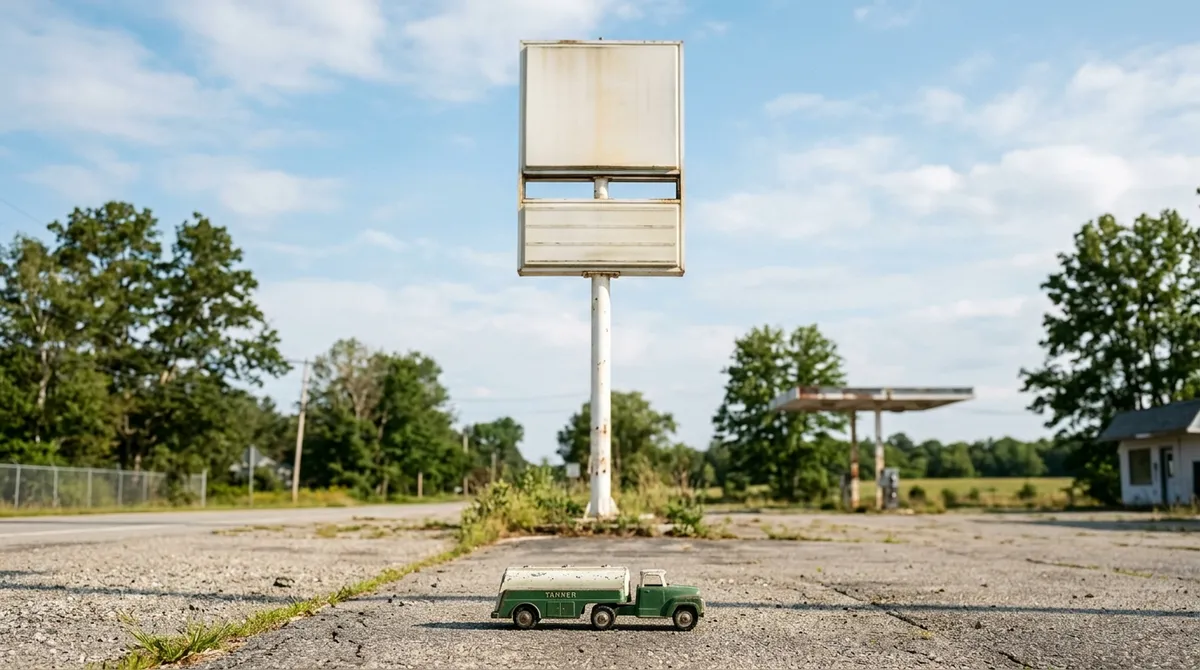
The Disappearance of a Gas Station Giant
For decades, Hess gas stations were a familiar sight across the East Coast, serving millions of drivers with their distinctive green and white signage. However, according to reports, the entire chain vanished from the American landscape following a major corporate acquisition that reshaped the retail fuel industry.
The transformation began in 2014 when Marathon Petroleum purchased Hess's retail operations in a strategic business move. This acquisition marked the beginning of the end for the Hess brand in the gas station market, setting in motion a complete rebranding effort that would eliminate the familiar name from fuel retail.
The Speedway Conversion
By 2016, Marathon Petroleum had completed its mission to rebrand all former Hess locations. According to reports, every Hess gas station was converted to carry the Speedway banner, effectively erasing the Hess name from the retail fuel landscape. This systematic conversion represented one of the most comprehensive gas station rebranding efforts in recent industry history.
The Speedway conversion wasn't just a simple name change—it represented a fundamental shift in the retail fuel market along the East Coast. Former Hess customers found themselves adapting to new branding, different loyalty programs, and updated store layouts as Marathon Petroleum integrated these locations into its existing Speedway network.
A Brand That Refused to Die
Despite losing its retail presence, the Hess name managed to survive through an unexpected avenue: collectible toys. According to reports, the Hess holiday toy truck tradition has continued, giving the brand a rare second life beyond gas stations. These annual toy releases have become holiday collectibles, maintaining a connection between the brand and consumers long after the last Hess station disappeared.
The toy truck tradition represents more than just nostalgia—it's become a cultural phenomenon that keeps the Hess brand relevant in American households during the holiday season. This continuation demonstrates how brands can maintain consumer connections even after exiting their primary business markets.
Recent Corporate Developments
The Hess story took another turn in 2025 when Chevron completed its acquisition of Hess Corporation, according to reports. This development has renewed relevance for the Hess name in the energy sector, though not in retail fuel operations. The acquisition highlights how energy companies continue to consolidate and evolve in response to changing market conditions.
The Broader Impact on Retail Fuel
The Hess-to-Speedway conversion reflects broader trends in the retail fuel industry, where consolidation and rebranding have become common strategies. The disappearance of Hess joins other once-prominent gas station brands that have vanished from the American landscape through mergers and acquisitions.
This transformation also demonstrates how quickly familiar retail landmarks can disappear from communities. For many East Coast residents, the loss of Hess stations represented the end of an era and a reminder of how corporate changes can reshape local landscapes.
Legacy Through Nostalgia
According to reports, nostalgia for defunct retail brands remains strong among consumers, and Hess has benefited from this sentiment. The continued popularity of Hess toy trucks serves as a testament to the lasting emotional connections that brands can create with their customers.
The Hess story illustrates how some brands can transcend their original business models to maintain cultural relevance. While drivers can no longer fill up at Hess stations, the brand's holiday tradition ensures that new generations continue to encounter the Hess name, even if they never experienced the original gas stations.
Today, the green and white Hess logo may be gone from American roadsides, but its legacy continues through collectible trucks and the memories of millions who once relied on Hess for their fuel needs.