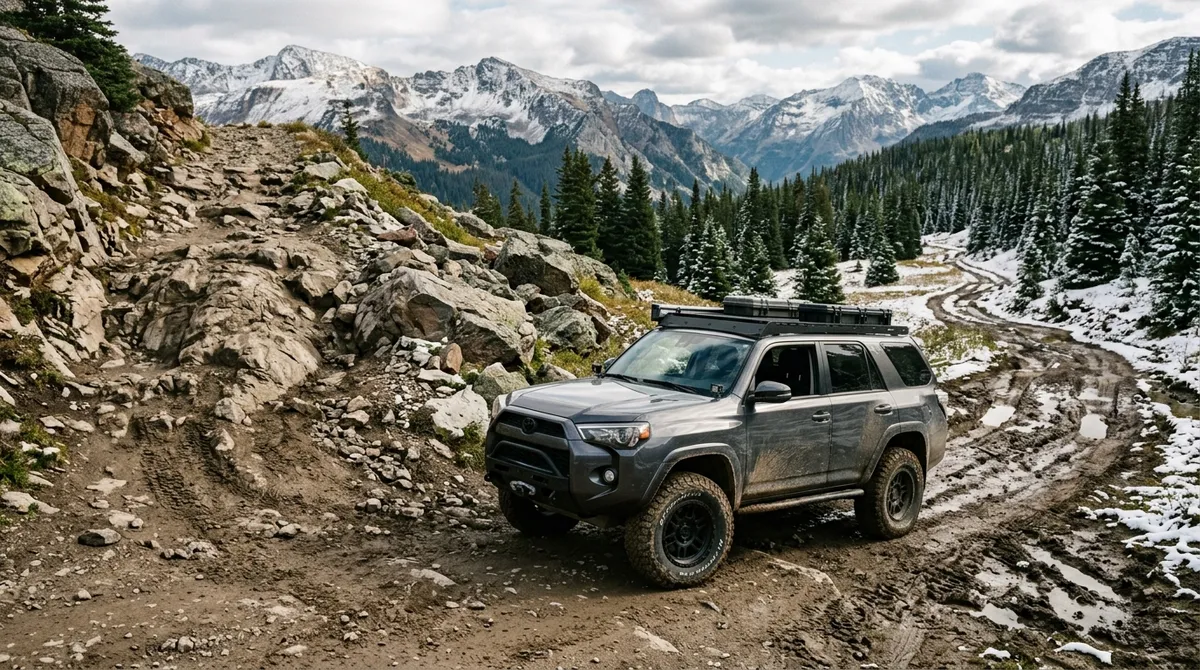
What Does 4L Mean?
If you've noticed "4L" on your truck or SUV's gear shifter and wondered what it stands for, you're not alone. According to automotive experts, 4L represents "low-range four-wheel drive" — a specialized setting designed for slow, high-torque driving over difficult terrain.
As more drivers purchase off-road-capable trucks and SUVs, many don't fully understand when to use each four-wheel drive setting. This lack of understanding can lead to reduced control, vehicle strain, or getting stuck in conditions their drivetrain could otherwise handle.
Understanding 4L vs 4H
When to Use 4L (Low-Range)
According to reports, 4L is specifically engineered for challenging terrain that requires maximum torque at low speeds. This setting excels in scenarios such as:
- Steep climbs where you need maximum pulling power
- Rocky trails that demand precise, slow navigation
- Deep mud where wheels need to turn slowly but with significant force
- Extreme off-road conditions requiring careful maneuvering
The low-range setting multiplies torque output, allowing your vehicle to crawl over obstacles that would otherwise stop you in your tracks.
When to Use 4H (High-Range)
In contrast, automotive sources indicate that 4H is better suited for maintaining momentum on slippery or loose surfaces. This setting works well for:
- Snow-covered roads where traction is compromised
- Sandy surfaces like beaches or desert terrain
- Icy conditions requiring steady forward motion
- Muddy roads where maintaining speed helps prevent getting stuck
Common Mistakes New Owners Make
Reports suggest that misusing 4L or 4H can have serious consequences. Many new truck and SUV owners make these critical errors:
Using 4L When 4H Would Work Better
Some drivers automatically switch to 4L in any challenging condition, but this isn't always appropriate. Using 4L on surfaces where you need to maintain momentum — like snow or loose sand — can actually reduce your ability to power through the terrain.
Forgetting to Switch Back to 2WD
Another common mistake is leaving the vehicle in four-wheel drive mode on regular pavement. This can strain the drivetrain and reduce fuel efficiency.
Real-World Terrain Guide
Snow and Ice
For most snowy conditions, 4H provides the right balance of traction and speed. The system distributes power to all four wheels while allowing you to maintain normal driving speeds on slippery surfaces.
Mud and Sand
The choice between 4L and 4H in mud depends on the situation. Deep, thick mud may require 4L's torque multiplication, while lighter mud or sand often responds better to 4H's ability to maintain momentum.
Hills and Rocky Terrain
Steep inclines and rocky trails typically call for 4L. The low-range gearing provides the control and power needed to navigate obstacles safely without overwhelming the engine or transmission.
Making the Right Choice
Understanding your vehicle's four-wheel drive capabilities isn't just about maximizing performance — it's about safety and preventing costly damage. According to automotive experts, taking time to learn when and how to use 4L and 4H settings can significantly improve your off-road experience.
The key is matching the drivetrain setting to the terrain conditions. When in doubt, start with 4H for most slippery conditions and reserve 4L for situations requiring maximum torque at low speeds.
Protecting Your Investment
Proper use of four-wheel drive settings also protects your vehicle's drivetrain components. Misusing these systems can lead to premature wear, reduced fuel economy, and potentially expensive repairs.
For new truck and SUV owners, taking time to understand these systems before heading off-road can prevent both mechanical problems and safety issues. Consider consulting your owner's manual and practicing with different settings in safe, controlled environments before tackling challenging terrain.