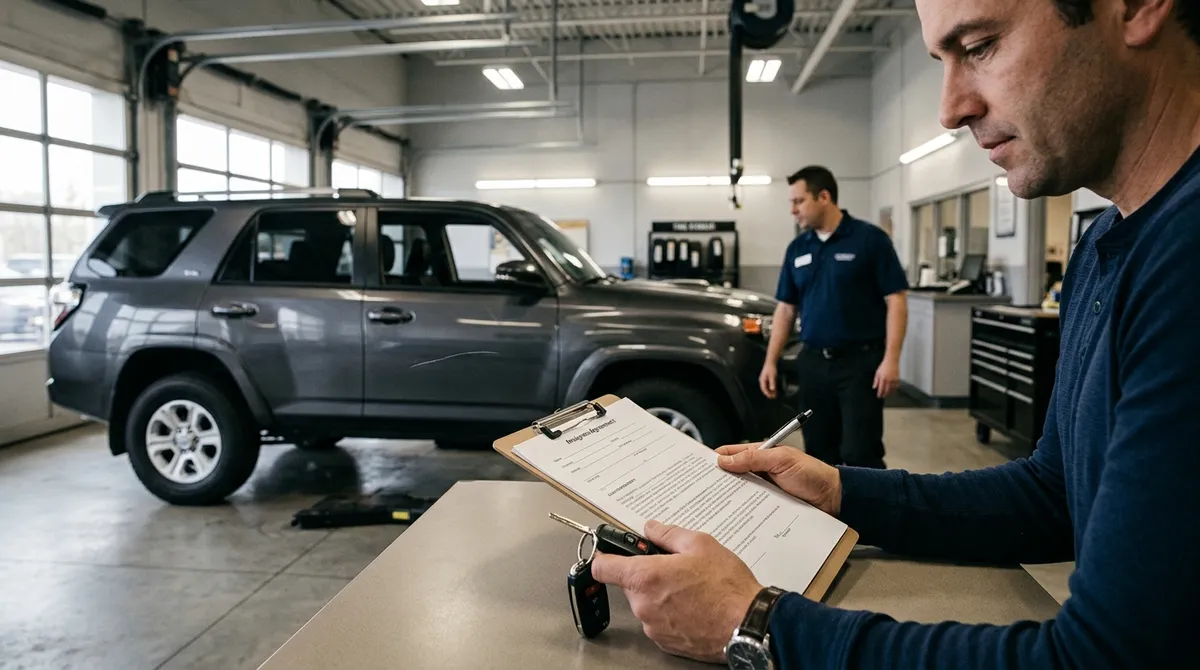
When buying a car, especially one as iconic as the Ford Bronco, you trust that the dealership will uphold their promises. Yet, what happens when they fall short? Recently, a case surfaced involving a buyer who faced disappointment when a dealership failed to adequately address a significant scratch on his new Bronco. The dealership had written in a 'We Owe' document that they would fix the issue. Instead, the buyer received subpar touch-up work that hardly met expectations. This incident not only underscores the importance of trust in car sales but also highlights consumer protections that you can leverage.
What Is a 'We Owe' Form?
A 'We Owe' form is a document that a dealer issues to guarantee that they will take care of certain issues after the purchase. It's meant to provide assurance to the buyer about repairs or services that are promised post-sale, acting almost like a mini-contract. However, the nuances of how these forms are worded and enforced can make a considerable difference. Understanding the reliability of these forms is essential.
How to Use a 'We Owe' Form as a Binding Contract
The legal standing of a 'We Owe' form often hinges on the specific wording included. Here are some essential tips to ensure you're covered:
- Get It in Writing: Always ask for what the dealership promises in a clear, written format rather than relying on verbal agreements.
- Be Specific: Ensure that the wording explicitly states what repair will be conducted and by when. Vague promises can leave room for misinterpretation.
- Document Everything: Take photos of any damages before the purchase and keep a record of all communication. This documentation can support your case if the dealership fails to fulfill their promises.
Never Sign a Deal on Damaged Inventory
If you notice damage like scratches or dents, it's vital to address these issues before finalizing the sale. Many buyers may feel pressured to complete the deal, but don't succumb to it. Here’s how to negotiate for your protection:
- Hold Off on Signing: Do not sign any paperwork until you’re satisfied with the condition of the vehicle or until the dealership has made the agreed-upon fixes.
- Use Leverage: If a dealer is hesitant to address damage before the sale, it may indicate a lack of accountability. This should raise red flags about future issues.
The Resale Impact of Poor Repairs
Skipping proper repairs can also affect your vehicle’s resale value. A poorly repaired scratch won't just look bad; it can devalue your car should you choose to sell it in the future. Here's how to safeguard that investment:
- Assess Repair Quality: Before accepting any fixes, ensure they meet a satisfactory standard. Mediocre touch-ups often cannot compete with proper repairs.
- Document Dealer Failures: Keeping thorough records allows you to leverage any issues when negotiating your car’s value if and when you decide to sell.
The Power of Negative Reviews and Accountability
In a world where customers increasingly document their experiences online, your feedback can influence dealership practices significantly. Here’s how sharing your narrative can prompt change:
- Impact Public Perception: Correctly describing your experience on social media or review platforms can pressure dealers to adhere to customer promises more strictly.
- Manufacturer Awareness: Reporting issues through manufacturer surveys can elevate your concerns to decision-makers who may push for greater accountability within their dealerships.
Red Flags to Watch For
Identifying potential pitfalls before making a purchase could save you from future headaches. Be mindful of the following indicators:
- Late Appointments: If a dealership has a tendency to stall on appointments, it might indicate poor organization or a lack of commitment to customer service.
- Shifting Explanations: If the dealer offers different reasons for a delay or issue, it raises questions about their honesty and reliability.
- Budget Excuses: Resist any deals that attempt to shift repair costs onto you post-sale, particularly if those repairs were initially promised in writing.
Conclusion: Protect Yourself
Consumer accountability doesn’t end when you leave the dealership. By understanding 'We Owe' forms, knowing how to navigate the car-buying process, and advocating for your rights as a buyer, you can ensure that your car purchase is both satisfactory and secure. Car dealerships should be held accountable, and knowing your consumer rights is a crucial step in safeguarding yourself in any purchase.