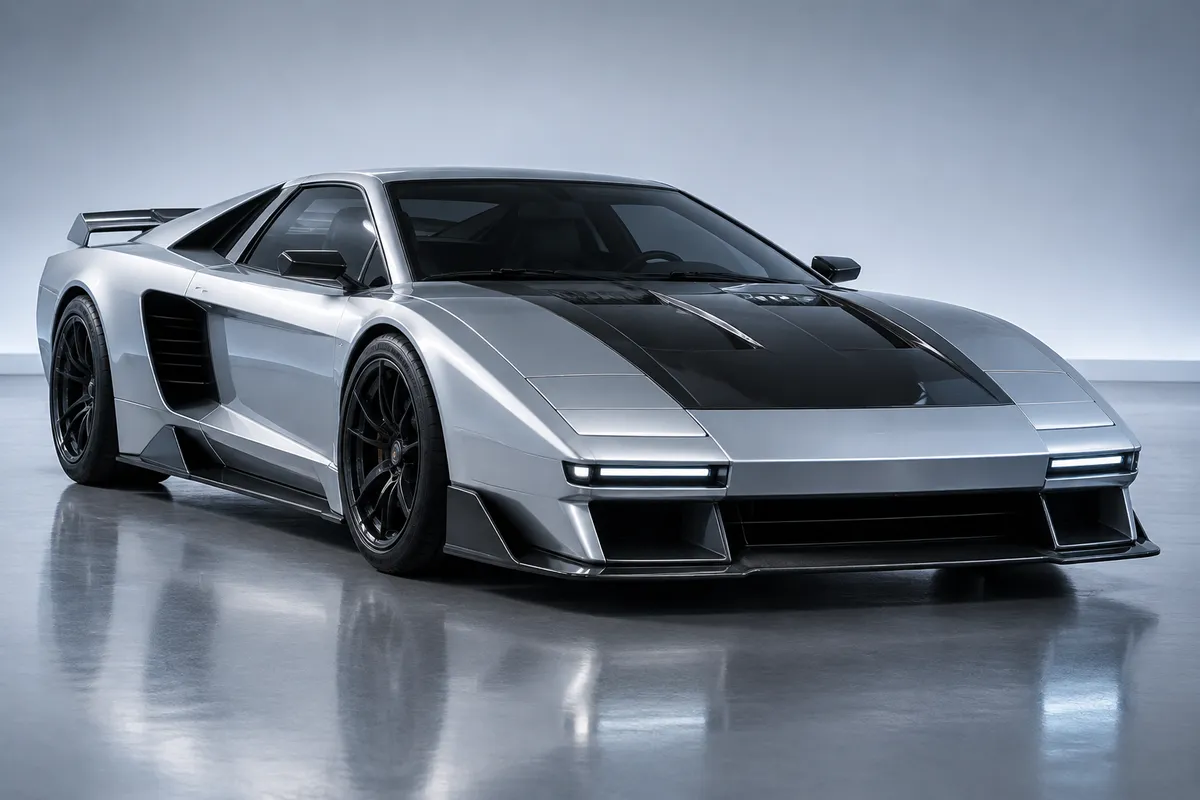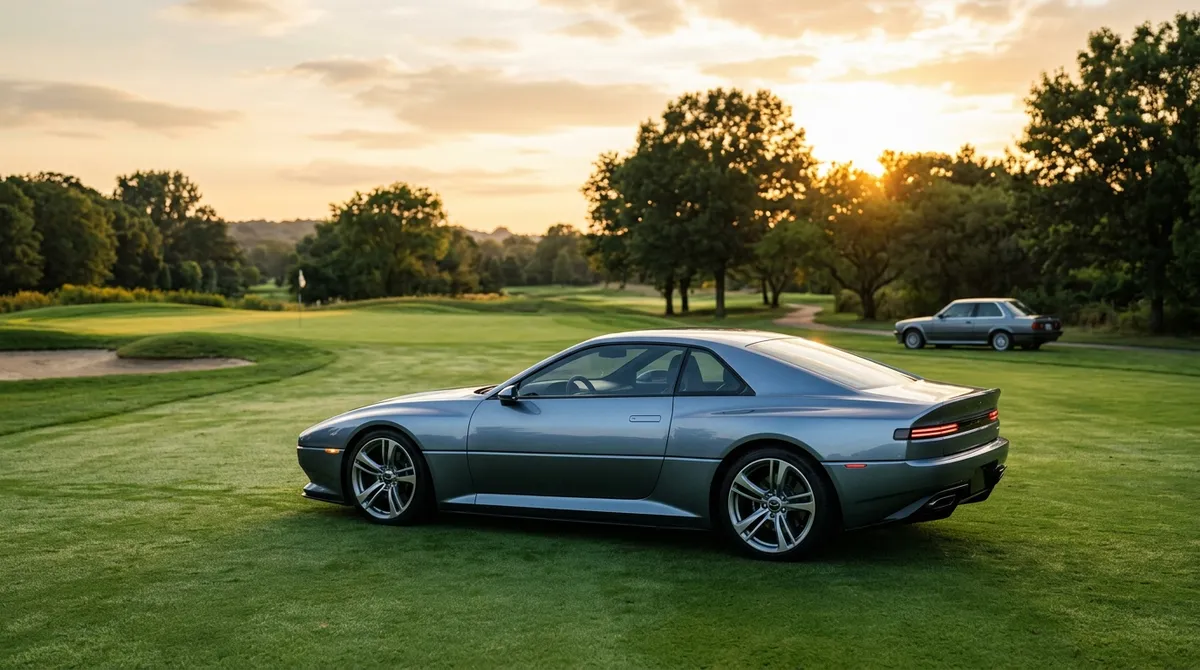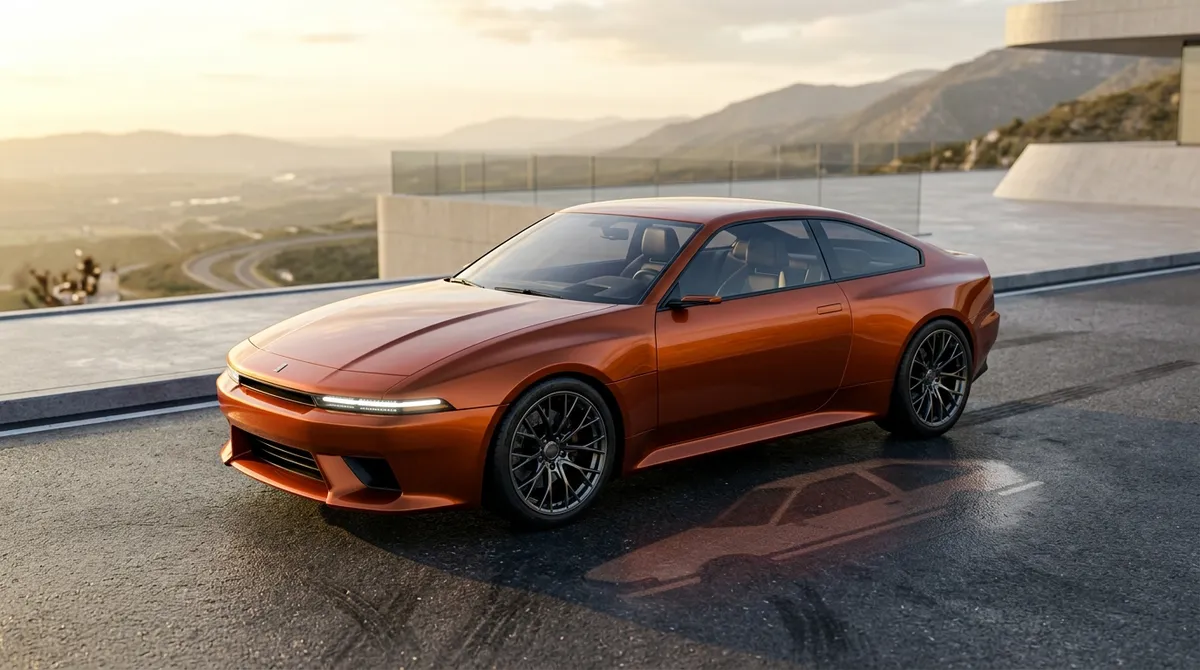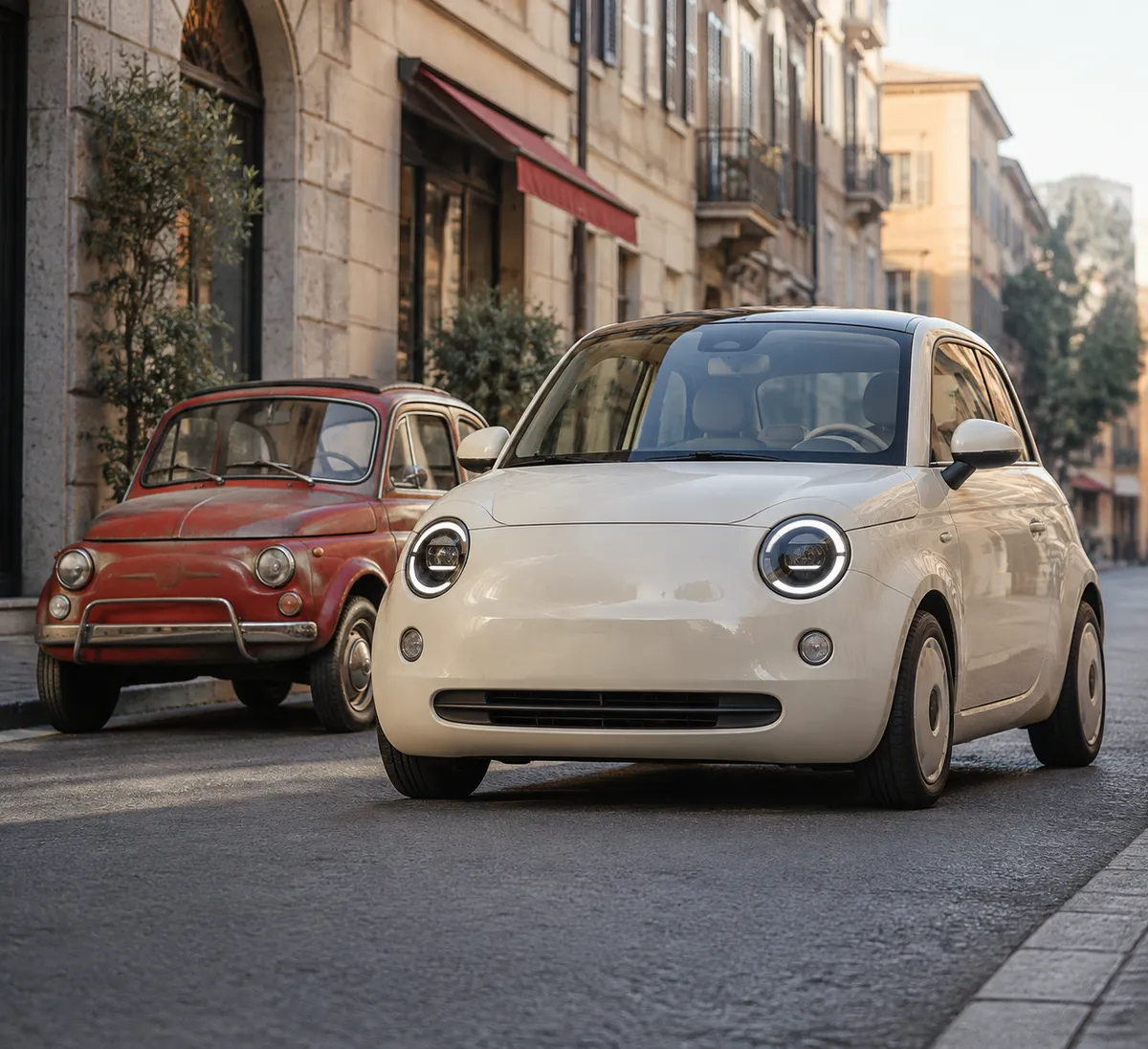
Citroen is reviving the 2CV, the quirky French icon, as a retro-styled electric city car. That's the news from the BBC, which frames the move as part of a bigger story: European carmakers are leaning on heritage to stand out while Chinese rivals gain ground with competitive electric models. Read on and you'll understand why old nameplates are suddenly valuable, and what a revived 2CV has to get right to be more than a pretty badge.
The 2CV's Second Act
The 2CV started life as a humble, practical car, the sort of thing associated with farmers and everyday French life. That modest, characterful identity is exactly what makes it useful now. Per the BBC, Citroen is reinventing the classic as an electric city car, using its heritage design as a way to be noticed in a crowded and difficult EV market.
The BBC also points to a price figure worth watching: £13,000. That's the benchmark the article's angle suggests an electric 2CV would need to hit to feel true to its roots. We'd treat it as a target to measure the car against rather than a confirmed sticker price, since the details beyond that are thin in the reporting.
Why Old Names Are Becoming EV Gold
The BBC's argument is that nostalgia is turning into a strategic weapon for European manufacturers. The 2CV doesn't stand alone. The Renault 5 and Fiat 500 are cited as other beloved nameplates getting a revival.
The logic is easy to follow:
- Trust: A familiar name feels safer than an unknown electric badge.
- Memory: People who grew up around these cars, or whose parents owned one, already have a warm feeling to build on.
- Identity: In a market where many EVs look alike, a shape people recognize on sight is hard to copy.
That last point matters most. Electric drivetrains are increasingly similar from brand to brand. Design and emotional pull are among the few places where a legacy carmaker can claim ground a newcomer can't simply buy.
The Pressure From Chinese Rivals
The backdrop, according to the BBC, is that European automakers are struggling to make EVs feel both desirable and affordable, while Chinese brands gain ground with competitive electric models. Heritage is one answer to that squeeze.
It's our read, not a reported fact, that nostalgia works best as a tiebreaker, not a foundation. A retro shape can win you a second look in a showroom. It won't keep you in the running if the car costs too much or falls short on range and equipment. Chinese competitors are winning attention by offering strong electric cars, so a European answer has to pair charm with substance.
Retro Design vs. Real Innovation
This is where enthusiasts should stay skeptical. A familiar silhouette is easy to draw. A genuinely good small EV is much harder to engineer. The risk with any revival is a car that trades on the name while delivering an ordinary product underneath.
The original 2CV earned its reputation by being simple, useful and affordable. The most faithful tribute wouldn't copy the curves. It would copy the philosophy.
What an Electric 2CV Needs to Get Right
Based on the BBC's framing of the market and the £13,000 benchmark, here's the checklist we'd hold Citroen to:
- Price discipline. Affordable electric mobility is the whole pitch. If the figure drifts well above that benchmark, the story weakens.
- City-car honesty. It's being positioned as a city car, so it should excel at urban jobs: easy parking, a tight turning circle, sensible running costs.
- Character beyond the shape. Interior, details and driving feel should reflect the 2CV spirit, not just the exterior.
- A real answer to Chinese rivals. Heritage gets people through the door. Equipment and value close the sale.
We can't tell you range, battery size or launch timing, because the reporting we have doesn't cover them. Those numbers will decide whether this car is a genuine contender.
Why This Matters Beyond One Car
The 2CV case study shows how European brands are thinking. Rather than out-spec every rival, they're mining their own history for something competitors can't manufacture overnight. The Renault 5 and Fiat 500 revivals suggest this is a pattern, not a one-off.
Whether it's enough is the open question. Nostalgia is a head start, not a finish line.
So when the full details of the electric 2CV arrive, ignore the charm at first and check the basics: price, range and practicality. If those hold up, the nostalgia is a bonus. If they don't, it's just a costume.