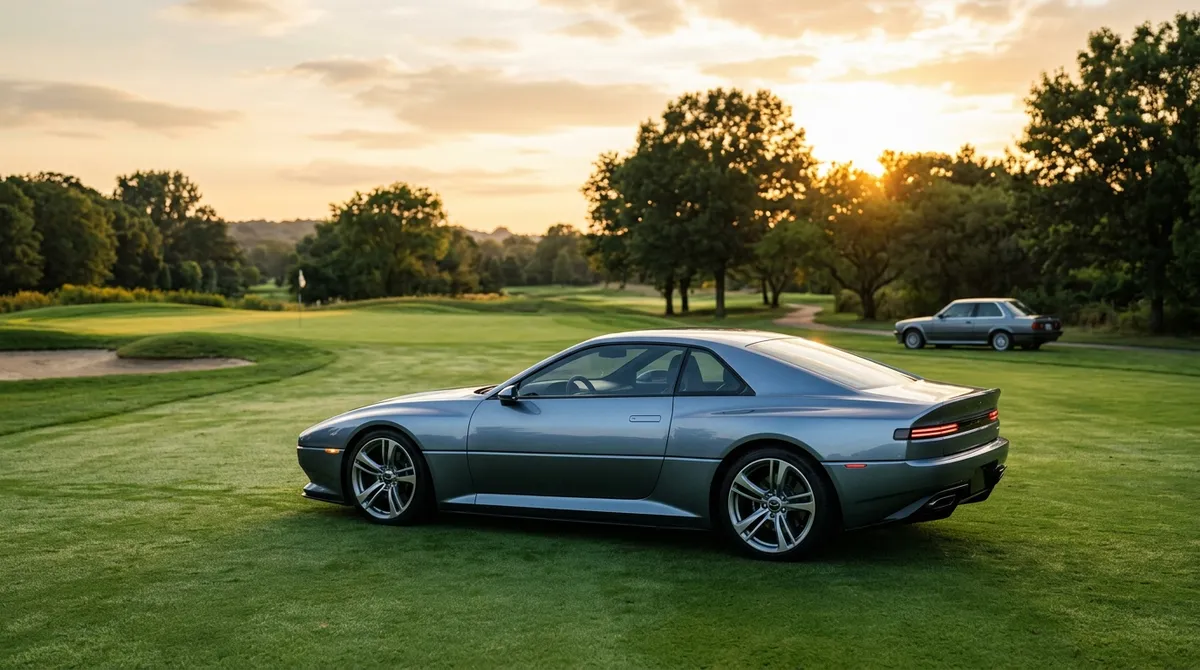
Custom Vision Challenges Official Design Direction
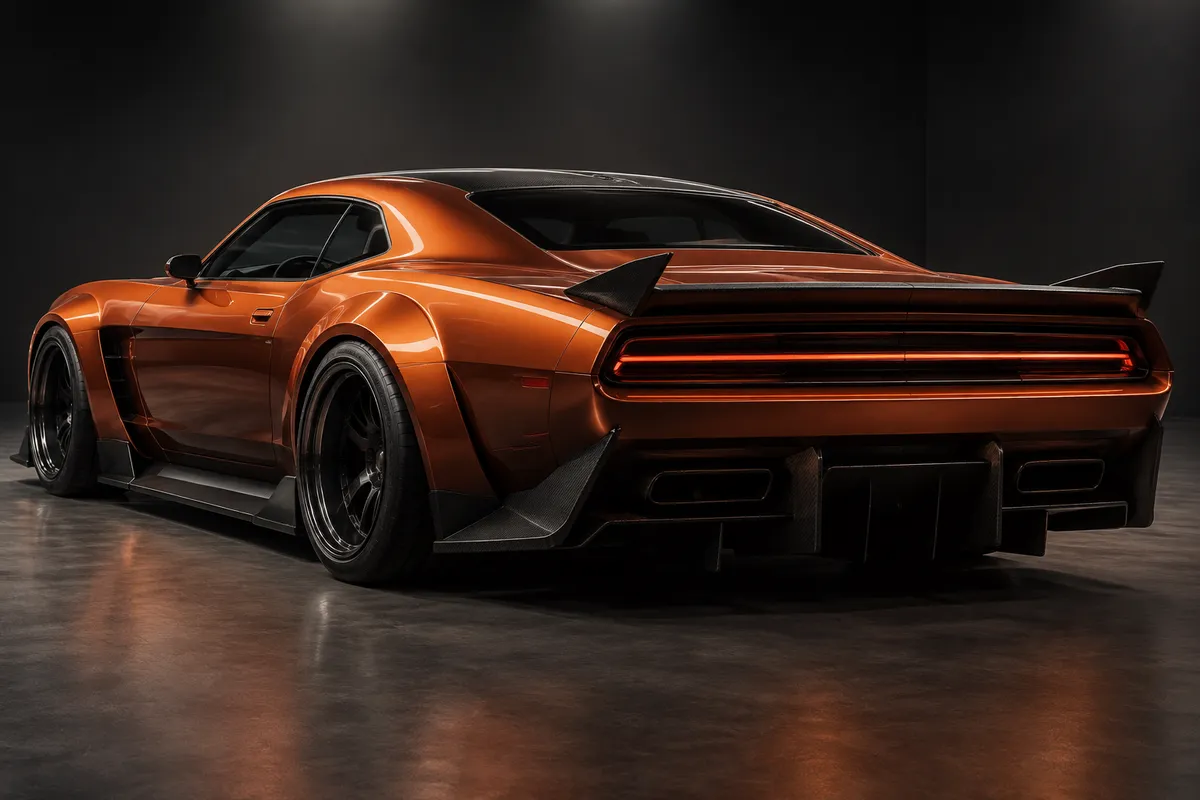
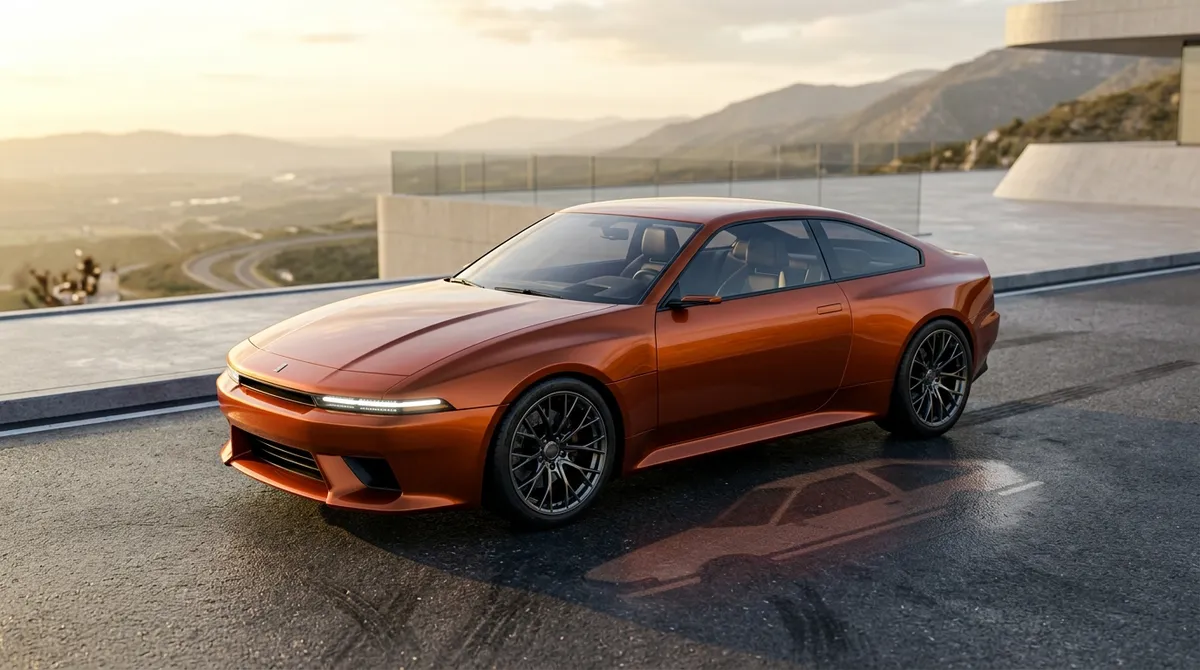
The automotive design community is buzzing over a fresh take on Honda's highly anticipated Prelude revival. Designer Mike G. from mike.g.concepts has created a striking CGI reimagining that deliberately abandons Honda's current design philosophy in favor of a retro-inspired aesthetic that pays homage to the nameplate's classic heritage.
The custom concept represents a fascinating departure from Honda's official direction for the revived sports car, blending traditional styling cues with modern proportions to create an alternative vision that's generating significant discussion among automotive enthusiasts.
The Power of Nostalgic Reimagining
The Honda Prelude's return after a 27-year absence has sparked considerable conversation throughout the automotive community about design direction and the role of nostalgia in modern car development. According to reports, custom renderings and fan redesigns like Mike G.'s concept are driving substantial engagement and debate about how legacy nameplates should balance their heritage with contemporary styling demands.
Mike G., who leads the mike.g.concepts design studio and describes his work as "fueled by adrenaline and innovation," has transformed the brand-new Honda Prelude into something distinctly different from Honda's official vision. The concept showcases how independent designers are using digital tools to explore alternative paths for beloved automotive icons.
Design Community Explores Alternative Paths
This reimagining highlights a growing trend in the automotive design world where creators are increasingly using AI and CGI technology as forms of fan expression and design commentary. The digital rendering represents more than just an aesthetic exercise – it serves as a visual dialogue about the direction of revived automotive nameplates and what resonates with enthusiasts.
The concept's retro-modern approach demonstrates the ongoing tension between nostalgia and innovation in automotive design. While Honda's official Prelude design represents the company's current design language and future vision, concepts like Mike G.'s exploration offer glimpses into alternative interpretations that prioritize heritage styling elements.
Fan Expectations vs. Manufacturer Vision
The creation of this alternative Prelude concept reveals something significant about fan expectations for revived nameplates. According to reports, the automotive community continues to produce redesigns of classic cars through a nostalgic lens, suggesting that there's substantial interest in seeing how legendary vehicles might look if their original design DNA was more heavily emphasized in modern iterations.
This phenomenon extends beyond just the Prelude, as custom designers and CGI artists regularly reimagine classic vehicles, creating alternative visions that sometimes gain more attention than official manufacturer concepts.
The Rise of Digital Design Commentary
The mike.g.concepts reimagining represents part of a broader trend where digital design tools have democratized automotive styling exploration. Independent designers can now create highly sophisticated renderings that rival manufacturer presentations, allowing for diverse interpretations of how classic vehicles should evolve.
These custom concepts serve multiple purposes – they satisfy nostalgic desires among enthusiasts, provide commentary on official design directions, and demonstrate alternative possibilities for iconic nameplates. The Honda Prelude concept specifically shows how classic proportions and styling elements can be reinterpreted for contemporary audiences while maintaining the essential character that made the original vehicles beloved.
Impact on Design Discourse
The alternative Prelude concept has contributed to ongoing discussions about the balance between heritage and modernity in automotive design. As manufacturers navigate the challenge of reviving classic nameplates for new generations while satisfying existing fans, independent concepts like Mike G.'s work provide valuable insight into community preferences and expectations.
This type of digital design exploration continues to influence how the automotive community engages with both official announcements and speculative future designs, creating a dynamic dialogue between manufacturers, designers, and enthusiasts about the direction of beloved automotive icons.