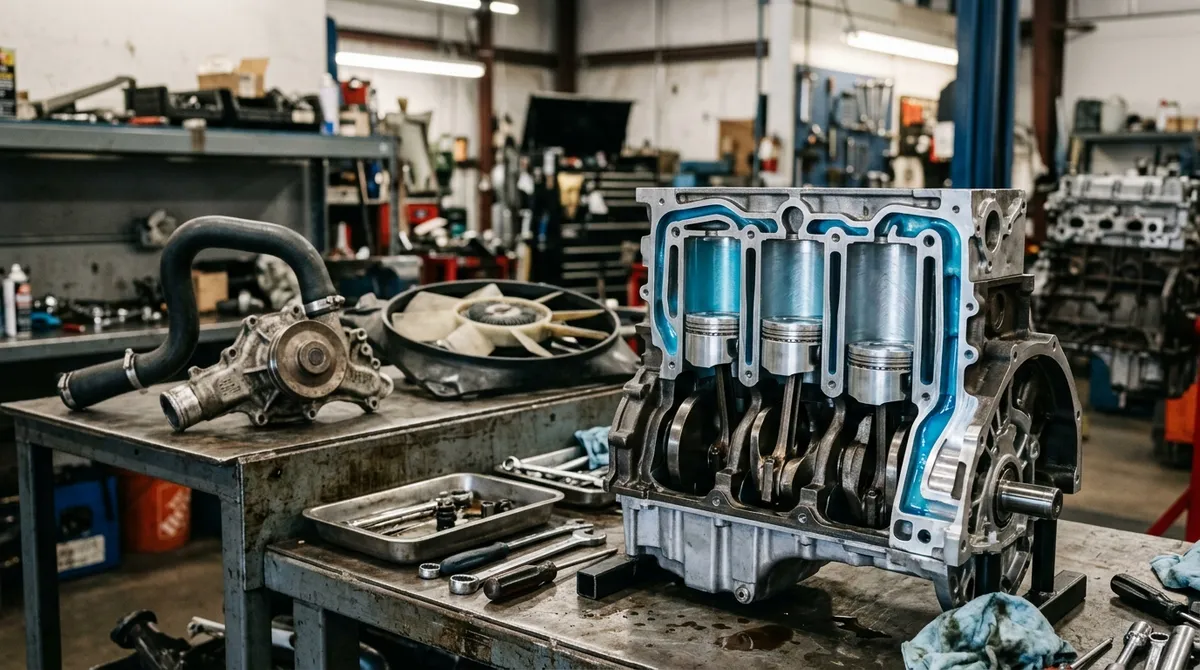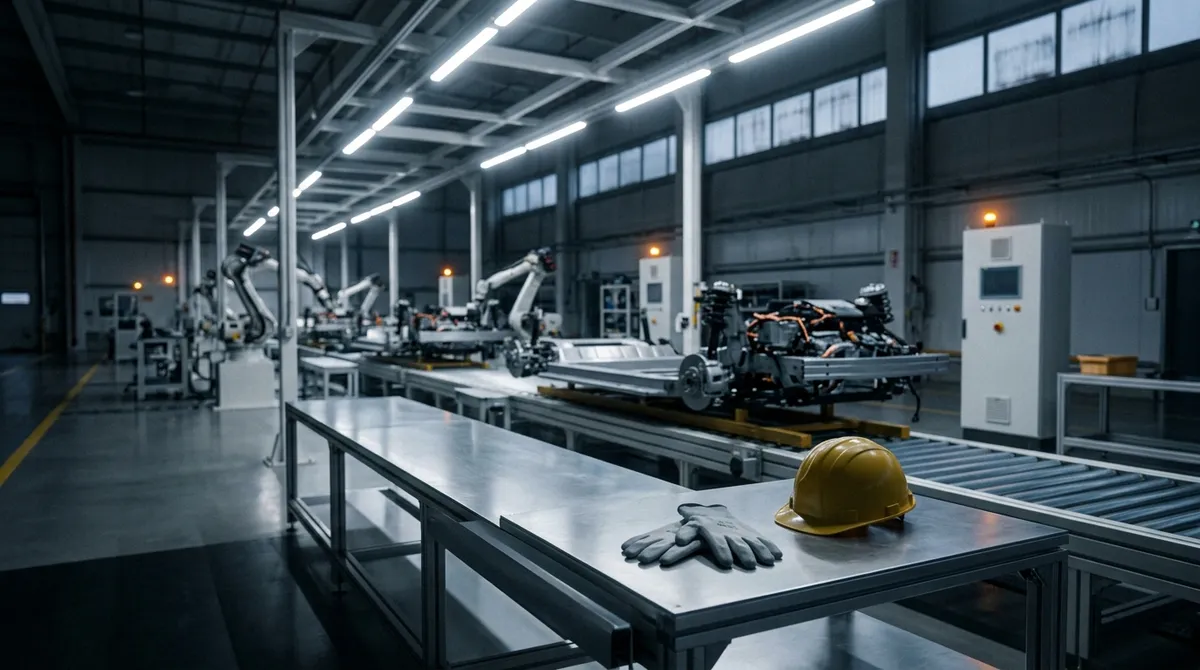
The global car industry is experiencing a stark reality check, as a wave of layoffs sweeps through manufacturers. This trend isn't just a number on a spreadsheet; it's a clear indication of a business sector in distress. From slowing demand to soaring costs and seismic shifts toward electric vehicles (EVs), the complexities of the automotive landscape are beginning to reveal a crisis.
The Current Situation: A Surge in Job Cuts
Reports indicate that tens of thousands of jobs are being cut from the car industry, reflecting dramatic shifts that threaten its stability. Car manufacturers are under immense pressure, grappling with multiple challenges. These layoffs highlight the urgency of the situation for those employed in the sector and ring alarm bells for consumers and investors alike.
Why Are Job Cuts Happening Now?
The driving forces behind these job cuts can be boiled down to a few key factors:
Slowing Demand: Consumer preferences are shifting, and traditional vehicle sales are lagging. As buyers increasingly lean toward more tech-savvy and environmentally friendly options, the legacy automakers must rethink their strategies.
Rising Costs: Manufacturing costs are on the rise, driven by supply chain disruptions and inflationary pressures. As expenses climb, maintaining current workforce levels becomes unsustainable for many companies.
Structural Shifts in the Industry: The push toward electric vehicles is reshaping the workforce landscape. While there’s a buzz around new technologies and EVs, transitioning to these new manufacturing processes often leads to job redundancy in traditional roles. Automakers might be forced to streamline operations, leading to mass layoffs in the process.
What This Means for Workers
For the thousands of individuals affected, these job cuts mean immediate job loss and uncertainty. Many workers have spent years building careers in a sector now forced to adapt rapidly to changing market demands. As job security diminishes, the emotional toll on families and communities is profound.
Impact on Car Buyers and Prices
Beyond impacting careers, these layoffs have broader implications for the car-buying consumer. You may wonder how a company’s staffing decisions can affect pricing on the lot.
With manufacturers streamlining operations, the potential for price increases on consumer vehicles looms. Automakers facing these job cuts may adjust their pricing strategies to recoup losses from reduced production capacity and higher operational costs. Thus, consumers may see rising prices for cars and fewer available options as manufacturers pivot from broad production to more specialized makes.
The Future of Legacy Automakers
As the automotive industry navigates these turbulent waters, it’s vital to examine who the winners and losers might be. Legacy automakers may struggle to adapt, while nimble EV start-ups and companies focusing on innovative technologies might gain traction, attracting consumers hesitant to invest in traditional vehicles. This shift could reshape the competitive landscape in the automotive market, fostering an environment more favorable to sustainability and modernization.
Closing Thoughts
The automotive industry today faces one of its most significant challenges yet. As the global market grapples with a shift towards electric vehicles and an evolving consumer landscape, these layoffs symbolize more than just personnel changes—they’re a stark reminder of a deeper crisis. Understanding these dynamics can help workers, consumers, and investors make informed decisions about where the industry is heading next. In this time of uncertainty, focusing on resilience and adaptation may be the keys to the future of the auto sector.