Major Safety Recall Affects Multiple Honda and Acura Models
Honda has announced a recall of nearly 99,000 vehicles across multiple model years due to a critical safety defect that could put drivers and passengers at risk. The recall affects Honda and Acura vehicles from model years 2016 through 2026, according to reports.
The issue centers on a defect in the front passenger seat weight sensor, which may crack and short-circuit during normal operation. This malfunction could potentially trigger unintended airbag deployment during crashes, creating additional safety hazards for vehicle occupants.
Understanding the Technical Problem
The defective component is the front passenger seat weight sensor, a critical safety system designed to determine whether an airbag should deploy based on the weight and position of the passenger. When this sensor cracks and short-circuits, it can send incorrect signals to the airbag control module.
This malfunction represents a serious safety concern because unintended airbag deployment during a crash can cause additional injuries to passengers who might otherwise be protected by properly functioning safety systems.
Dealer Solutions and Owner Actions
Honda dealers will replace the faulty sensors at no cost to vehicle owners, according to the recall announcement. The automaker has not specified a timeline for when replacement parts will be available or when the recall repairs will begin.
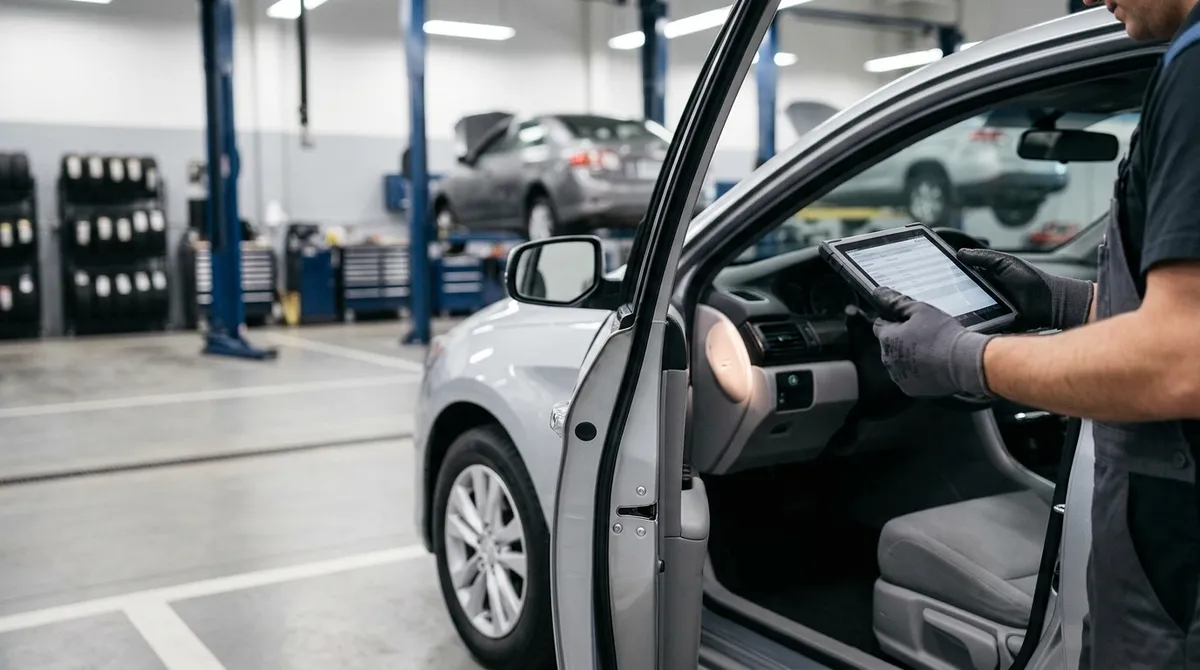
Vehicle owners should check if their Honda or Acura model falls within the affected model years and contact their local dealer for more information about the recall process.
Pattern of Recent Safety Issues
This recall marks Honda's third major airbag-related recall in recent months, according to reports. The pattern of safety issues could potentially damage consumer trust in the Honda brand and may invite increased regulatory scrutiny from safety agencies.
The timing of this recall coincides with broader challenges facing Honda as a company. Reports indicate the automaker is dealing with significant financial pressures, including its first annual loss in nearly 70 years and the recent cancellation of planned electric vehicle models.
Industry Context and Consumer Impact
Automotive recalls have become increasingly common as vehicle technology becomes more complex. However, airbag-related recalls carry particular significance due to the critical safety role these systems play in protecting occupants during crashes.
For Honda owners, this recall represents both a safety concern and an inconvenience, requiring them to schedule service appointments and potentially wait for replacement parts to become available.
Next Steps for Affected Owners
Vehicle owners should monitor official Honda communications and check with their local dealers to determine if their specific vehicle is included in the recall. The National Highway Traffic Safety Administration (NHTSA) also maintains a recall database that consumers can search using their vehicle identification number (VIN).
While waiting for recall repairs, owners should remain aware of any unusual airbag warning lights or system messages in their vehicles and contact their dealer immediately if they notice any concerning symptoms.
This developing story highlights the ongoing importance of automotive safety oversight and the need for manufacturers to maintain rigorous quality control standards across their vehicle lineups.