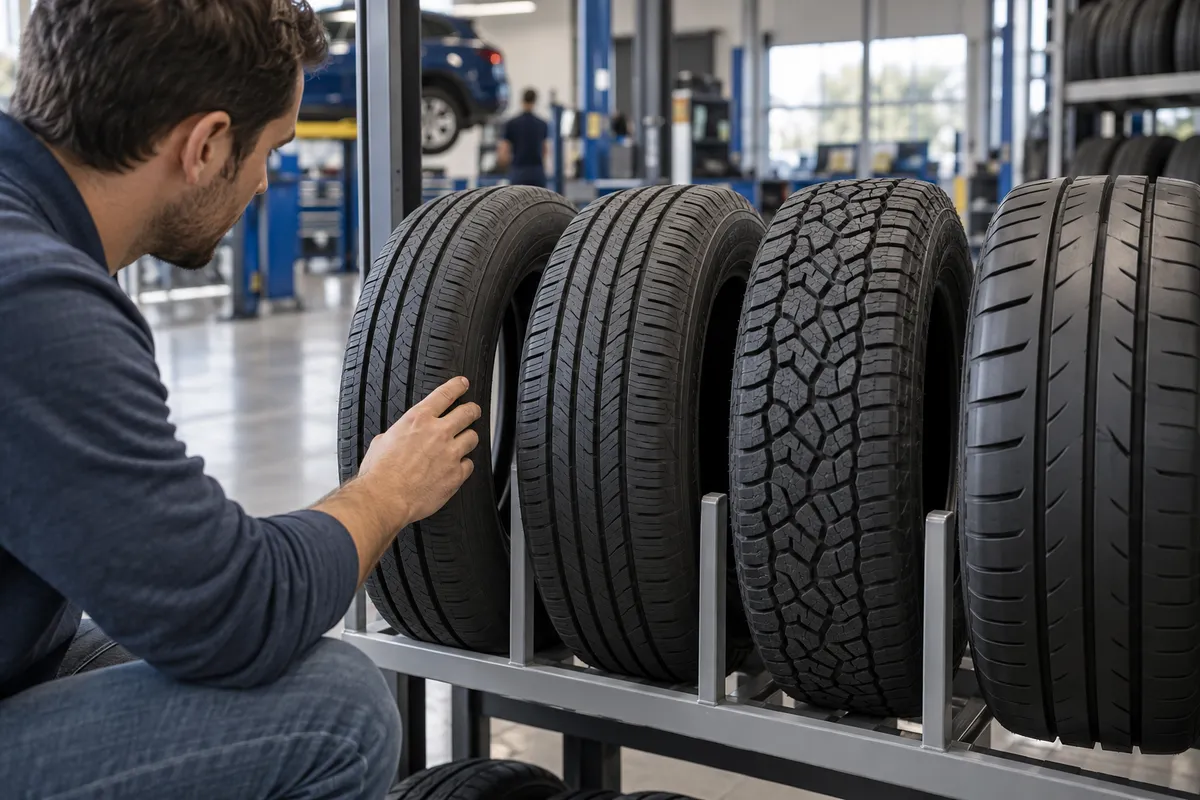
Hankook is a fixture in tire shops worldwide, but the name on the sidewall isn't always Hankook. Per SlashGear, the company also sells tires under other labels, depending on the region and the market segment. By the end of this guide, you'll know which sub-brands are in play, how to think about a tire that comes from a major manufacturer under a different name, and what to verify before you hand over your card.
A note on scope: SlashGear's list of Hankook-owned brands is titled "5 Tire Brands Owned By Hankook," but the details available to me cover four sub-brands: Laufenn, Optimo, Kingstar and Aurora. I'll stick to those, and I won't invent specs, prices or test results for them.
The Four Sub-Brands Beyond the Hankook Name
Per SlashGear's breakdown, each of these labels targets different markets, price points and vehicle needs:
- Laufenn
- Optimo
- Kingstar
- Aurora
The broader point from the report is that Hankook's tires can be sold under other names in certain areas and for specific market segments. That means the same parent company can sit behind a premium-priced tire and a cheaper one on the same shop wall, without the Hankook badge appearing on both.
I can't tell you from this material which sub-brand suits which vehicle, or how any of them perform against the core Hankook line. Treat anything that claims that without test data with suspicion, including me.
Why Tire Brands Keep Splitting Into Niche Labels
Replacement costs are rising, and shoppers are comparing value, EV, SUV, all-weather and budget options more closely than they used to. Large manufacturers respond by covering more of the price ladder, and sub-labels let them do it without stretching the main brand's image.
That's my read of the trend, not a statement from Hankook. But it explains why a tire shop might steer you toward a name you've barely heard of, and why that isn't automatically a red flag.
Is a Budget Sub-Brand Tire Worth It?
Being backed by a major manufacturer is a point in a tire's favor, but it doesn't guarantee performance. Ownership tells you who stands behind the company. It doesn't tell you how a specific model grips in rain, how long the tread lasts, or how quiet it is.
So use the parent-company link as a starting point for research, not a verdict. Here's a practical way to do that.
Step 1: Identify the actual model, not just the brand
Tires are sold as specific lines within a brand. Compare the exact model name and size you're being quoted, because a brand-level reputation can mislead you.
Step 2: Match the tire to your real need
Decide first whether you need a value tire, an SUV tire, an all-weather tire or something built for an EV. Then shop within that category. Price comparisons across different categories tell you nothing.
Step 3: Look for independent test data
Search for third-party tests of the specific model. If you can't find any, that's information too: availability or performance may be unclear for lesser-known labels, which is a caution the SlashGear angle itself points toward.
Step 4: Ask the shop who makes it
A good tire shop can tell you who manufactures a given brand and where it sits in their lineup. If they can't answer, weigh that when choosing between similarly priced options.
How to Decode Branding Before You Buy
A few habits make the whole thing less confusing:
- Search the brand name plus "owned by." Parent-company relationships are usually public, and a thirty-second search will tell you whether a label like Laufenn or Aurora ties back to Hankook.
- Check regional availability. Because these labels appear in certain areas and market segments, a brand you see online may not be stocked, supported or warrantied the same way where you live.
- Compare warranty terms side by side. Don't assume a sub-brand's coverage matches the parent's. Read it.
- Price the full installed cost. Mounting, balancing and disposal fees can erase a cheap sticker price.
The Takeaway
Next time a shop quotes you a tire you don't recognize, don't dismiss it and don't trust it blindly. Look up who owns the label, then judge the exact model on category fit, independent test results and warranty. A major manufacturer behind the badge is a good reason to take a closer look, not a reason to skip the homework.